Sewer System Replacement in Denver, CO
Sewer system replacement involves removing and installing new sewer lines to ensure proper waste removal and prevent potential backups or leaks. This service covers a variety of projects, including replacing aging or damaged pipes, upgrading outdated sewer infrastructure, and addressing issues caused by tree roots, corrosion, or ground shifting. Homeowners typically seek this service when experiencing persistent drainage problems, foul odors, or frequent backups that cannot be resolved through repairs alone. Understanding the scope of the project, the type of piping used, and the potential impact on property access are important considerations before requesting a sewer system replacement.
Property owners should be aware that sewer replacement projects can vary based on the extent of the work needed and the property's layout. Factors such as the location of the existing sewer lines, accessibility for excavation, and the choice of pipe materials can influence the project's complexity and duration. It is also useful to understand the potential disruptions to daily routines and the importance of proper planning to minimize inconvenience. Clarifying these aspects can help ensure the replacement process aligns with the property’s needs and expectations.
Many property owners in Denver, CO look into Sewer System Replacement for repairs, replacements, upgrades, and appearance-related improvements.
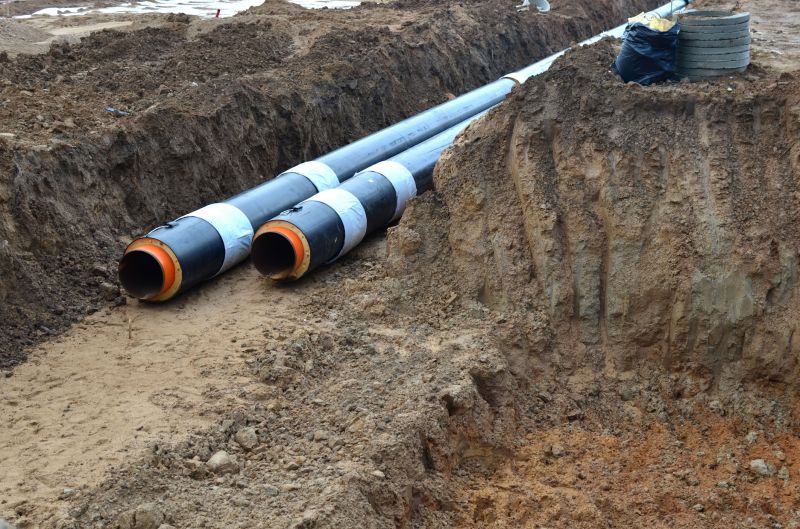
Signs You Need A Sewer Replacement
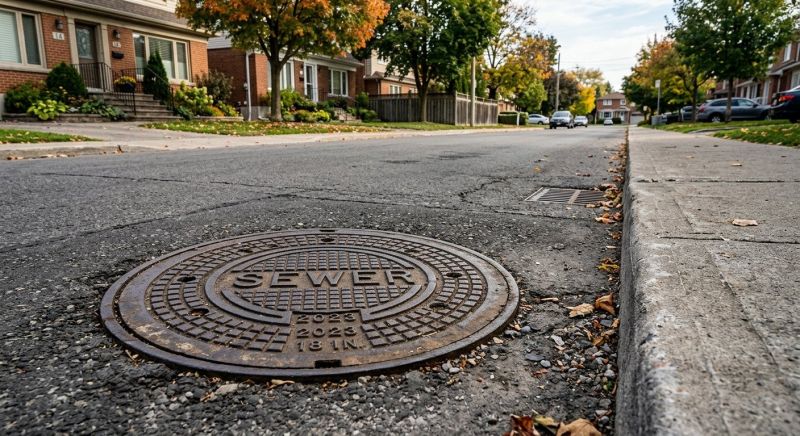
Persistent backups, foul odors, and slow drains can indicate sewer system issues.
Benefits Of Sewer System Replacement
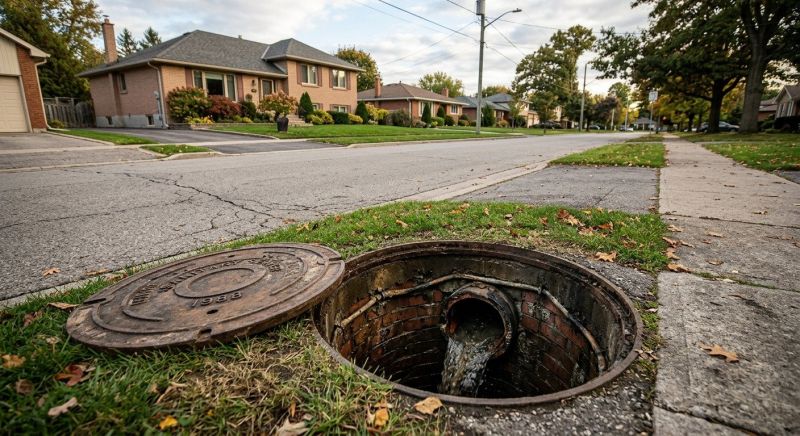
Upgrading an aging sewer can improve flow, prevent backups, and enhance property value.
Choosing The Right Replacement Approach
Options include traditional and trenchless methods, tailored to the property's condition and needs in denver.
Sewer System Replacement in Denver, CO

Sewer system replacement involves removing and installing new sewer lines to ensure proper waste removal and prevent potential backups or leaks. This service covers a variety of projects, including replacing aging or damaged pipes, upgrading outdated sewer infrastructure, and addressing issues caused by tree roots, corrosion, or ground shifting. Homeowners typically seek this service when experiencing persistent drainage problems, foul odors, or frequent backups that cannot be resolved through repairs alone. Understanding the scope of the project, the type of piping used, and the potential impact on property access are important considerations before requesting a sewer system replacement.
Property owners should be aware that sewer replacement projects can vary based on the extent of the work needed and the property's layout. Factors such as the location of the existing sewer lines, accessibility for excavation, and the choice of pipe materials can influence the project's complexity and duration. It is also useful to understand the potential disruptions to daily routines and the importance of proper planning to minimize inconvenience. Clarifying these aspects can help ensure the replacement process aligns with the property’s needs and expectations.
Many property owners in Denver, CO look into Sewer System Replacement for repairs, replacements, upgrades, and appearance-related improvements.
Common Sewer System Replacement Jobs
Sewer line replacement involves removing and installing new sewer pipes to prevent leaks and blockages.
Full sewer system replacement addresses extensive damage across the entire property’s sewer network.
Trenchless sewer replacement minimizes surface disruption by replacing pipes without extensive digging.
Sectional sewer replacement targets specific damaged areas to restore proper flow efficiently.
Main sewer line replacement ensures the primary line connecting the property to the municipal system functions reliably.
Lateral sewer line replacement involves updating the pipes that connect the property’s sewer system to the main line.
Sewer System Replacement Questions
What is involved in sewer system replacement? The process typically includes removing the old sewer lines and installing new pipes to ensure proper waste flow and prevent leaks.
When should a sewer system be replaced? Signs such as persistent backups, frequent clogs, or foul odors may indicate the need for replacement.
What types of sewer pipes are commonly used? Common options include PVC, cast iron, and clay pipes, chosen based on property needs and existing infrastructure.
How can property owners prepare for sewer replacement? Clearing access points and informing utility providers can help facilitate a smooth replacement process.
Request Sewer System Replacement in Denver, CO
Use the quote form on this page to share the basics of your project and request more information for the type of work you need.